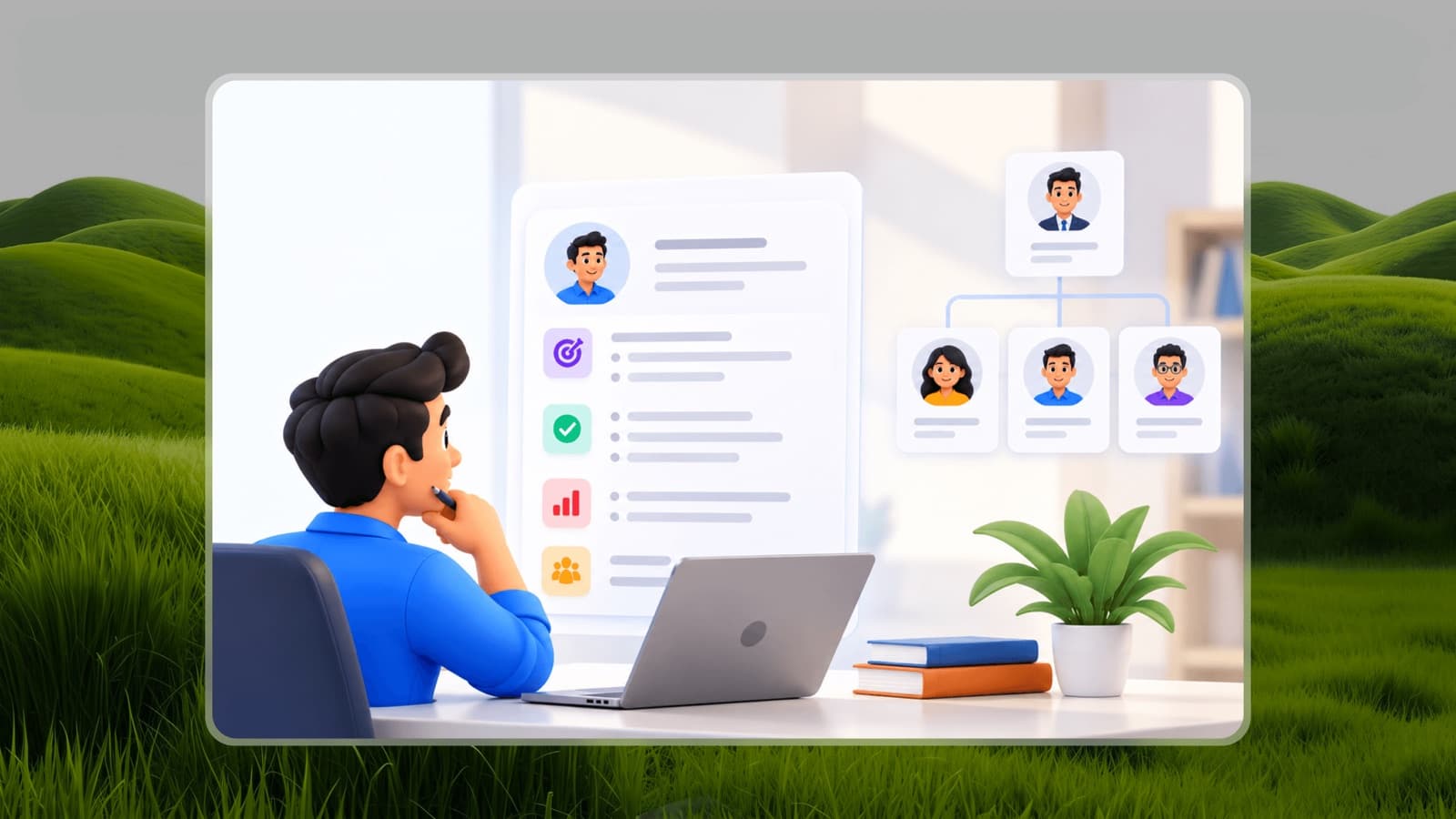
The HR Executive keeps day-to-day HR operations running accurately. They coordinate recruitment, onboarding paperwork, attendance and leave records, employee documentation and payroll inputs, and are often the first point of contact for employee questions.
Also known as: HR Assistant, HR Coordinator, Human Resources Executive
The responsibilities an HR Executive owns and the duties they perform.
Responsibilities
1Coordinate recruitment activities from job posting to interview scheduling
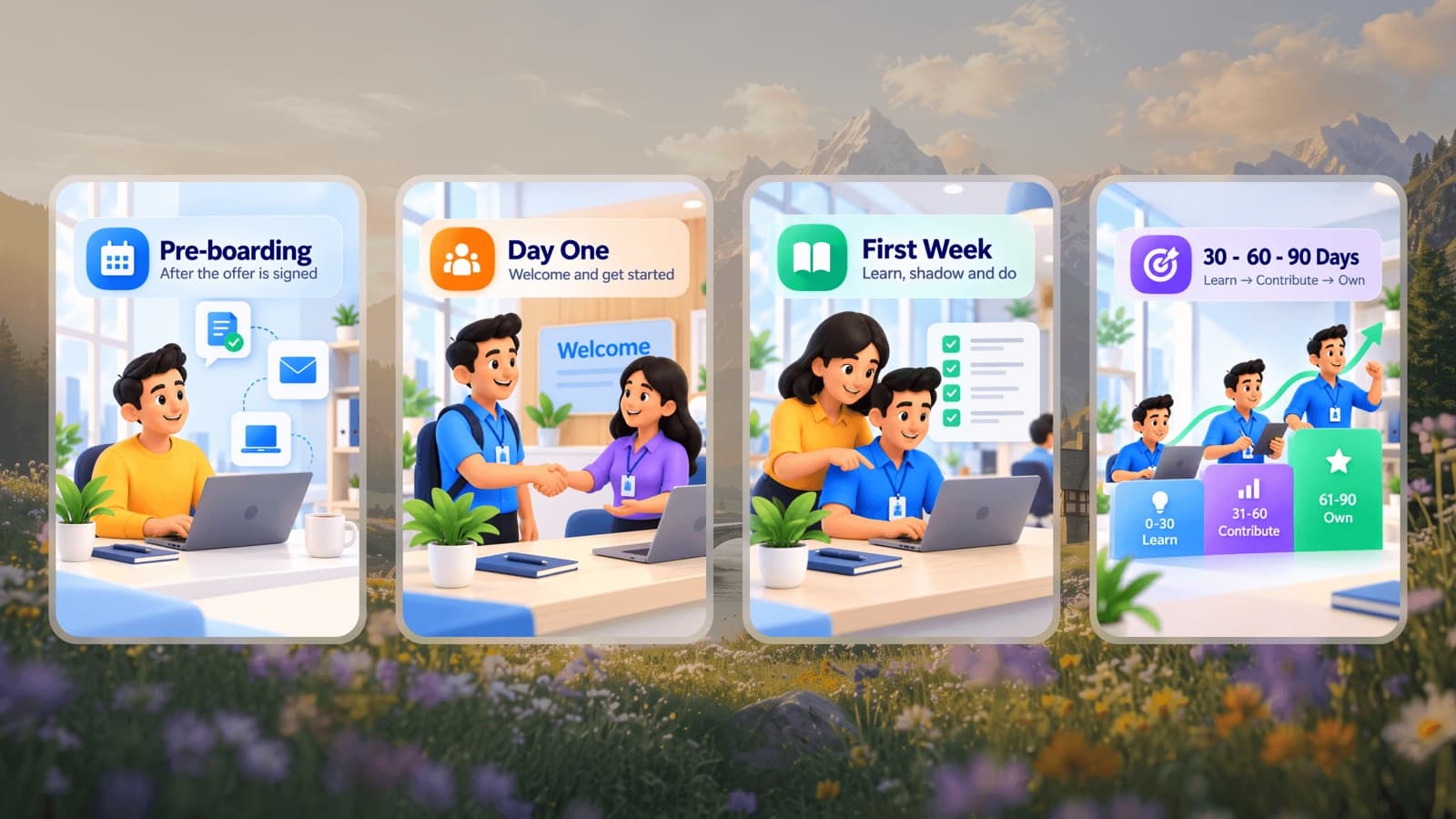
2Complete onboarding documentation and induction for new joiners
3Maintain accurate employee records in the HR system
4Manage attendance, leave and holiday records
5Prepare payroll inputs and resolve discrepancies with finance
6Support statutory compliance documentation
7Handle exit formalities, clearances and experience letters
8Assist with engagement activities and internal communications
Duties
Daily
Post jobs, screen CVs and schedule interviews
Maintain attendance and leave records
Answer employee questions on policies and processes
Update employee files and HR system entries
Weekly
Prepare joining kits and documentation for new hires
Conduct induction sessions
Follow up on pending documents and background checks
Monthly
Compile attendance and leave data for payroll
Prepare HR reports such as headcount and joiners and leavers
Process exit formalities and clearance
Job Specification (JS)
The job information and the skills this role needs.
Job information
Qualification
Bachelor's degree; HR specialisation or certification preferred
Experience
1-3 years in HR operations or recruitment
Work location
Office-based
Working hours
Full-time, typically 9 hours a day, 5-6 days a week
Shift
Day shift
Employment type
Full-time
Technical skills
HRMS and attendance software
Excel or Google Sheets
Job portals and CV screening
HR documentation
Basic labour law awareness
Soft skills
Attention to detail
Organisation
Confidentiality
Approachability
Follow-through
Tools used
HRMS
Biometric attendance system
Job portals
Spreadsheets
Email and chat
Career path
HR Intern
HR Executive
Senior HR Executive / HR Generalist
HR Manager
KPI
How to measure whether an HR Executive is succeeding.
KPI
What it measures
Review
Interviews scheduled
Interviews arranged against the hiring plan
Weekly
Documentation completion
New joiners with complete files within 7 days
Monthly
Payroll input accuracy
Attendance and leave errors found after payroll
Monthly
Query turnaround
Employee queries answered within one working day
Weekly
In Piplhr, KPIs become recurring daily and weekly reports that each person submits - see Reporting & KPI tracking.
HR Executive FAQs
What does an HR Executive do?
The HR Executive keeps day-to-day HR operations running accurately. They coordinate recruitment, onboarding paperwork, attendance and leave records, employee documentation and payroll inputs, and are often the first point of contact for employee questions.
What are the main responsibilities of an HR Executive?
Key responsibilities include: coordinate recruitment activities from job posting to interview scheduling; complete onboarding documentation and induction for new joiners; maintain accurate employee records in the HR system; manage attendance, leave and holiday records; prepare payroll inputs and resolve discrepancies with finance.
What skills does an HR Executive need?
Technical skills: HRMS and attendance software, Excel or Google Sheets, Job portals and CV screening, HR documentation, Basic labour law awareness. Soft skills: Attention to detail, Organisation, Confidentiality, Approachability, Follow-through.
Who does an HR Executive report to?
An HR Executive typically reports to the HR Manager.
What qualifications are required to become an HR Executive?
Bachelor's degree; HR specialisation or certification preferred, with 1-3 years in HR operations or recruitment.
A practical method for defining roles and responsibilities in your team - what to include, how to avoid gaps and overlaps, and a template you can use for every position.
A step-by-step guide to writing job descriptions - job title, summary, responsibilities, job specification and more - plus the difference between a JD and a job specification.