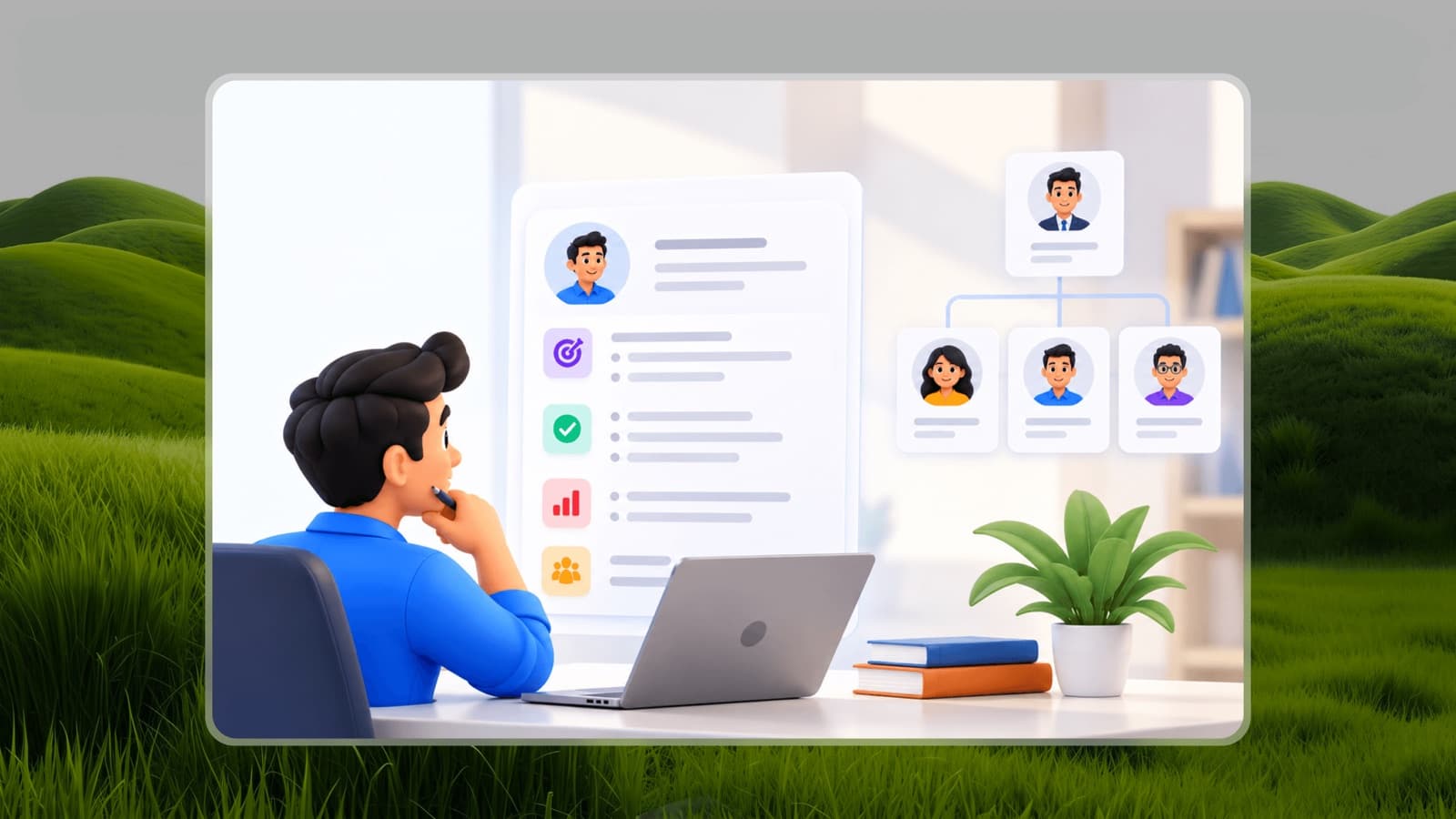
The Recruiter finds, attracts and hires the right people for open roles. They work with hiring managers to understand each role, source and screen candidates, manage the interview process and close offers - while giving every candidate a professional experience.
Also known as: Talent Acquisition Executive, Recruitment Specialist, Talent Acquisition Specialist
The responsibilities a Recruiter owns and the duties they perform.
Responsibilities
1Understand role requirements through intake meetings with hiring managers
2Write and publish clear, accurate job postings
3Source active and passive candidates across channels
4Screen candidates against agreed must-have criteria
5Coordinate structured interviews and collect feedback on time
6Negotiate and close offers within approved ranges
7Maintain a positive, timely candidate experience
8Keep the applicant tracking system accurate and up to date
Duties
Daily
Source candidates through job portals, LinkedIn and referrals
Screen CVs and run phone screens
Schedule interviews and send reminders
Update candidate status in the tracking system
Weekly
Review pipeline health with each hiring manager
Share interview feedback and next steps with candidates
Refresh job postings and try new sourcing channels
Monthly
Report hiring metrics such as time to hire and source of hire
Review and improve job descriptions and screening questions
Build talent pools for recurring roles
Job Specification (JS)
The job information and the skills this role needs.
Job information
Qualification
Bachelor's degree in any discipline; HR background preferred
Experience
1-4 years in recruitment, in-house or agency
Work location
Office-based, hybrid or remote
Working hours
Full-time, typically 9 hours a day, 5-6 days a week
Shift
Day shift
Employment type
Full-time
Technical skills
Boolean and LinkedIn sourcing
CV screening
Structured interviewing
Applicant tracking systems
Offer negotiation
Soft skills
Persuasive communication
Relationship building
Persistence
Time management
Reading people well
Tools used
LinkedIn Recruiter
Job portals
Applicant tracking system
Calendar and video interview tools
Spreadsheets
Career path
Recruitment Coordinator
Recruiter
Senior Recruiter
Talent Acquisition Lead
Head of Talent
KPI
How to measure whether a Recruiter is succeeding.
KPI
What it measures
Review
Time to hire
Days from job opening to accepted offer
Monthly
Offer acceptance rate
Offers accepted as a share of offers made
Monthly
Pipeline conversion
Share of screened candidates reaching final interview
Weekly
Hiring manager satisfaction
Feedback score on candidate quality
Quarterly
In Piplhr, KPIs become recurring daily and weekly reports that each person submits - see Reporting & KPI tracking.
Recruiter FAQs
What does a Recruiter do?
The Recruiter finds, attracts and hires the right people for open roles. They work with hiring managers to understand each role, source and screen candidates, manage the interview process and close offers - while giving every candidate a professional experience.
What are the main responsibilities of a Recruiter?
Key responsibilities include: understand role requirements through intake meetings with hiring managers; write and publish clear, accurate job postings; source active and passive candidates across channels; screen candidates against agreed must-have criteria; coordinate structured interviews and collect feedback on time.
What skills does a Recruiter need?
Technical skills: Boolean and LinkedIn sourcing, CV screening, Structured interviewing, Applicant tracking systems, Offer negotiation. Soft skills: Persuasive communication, Relationship building, Persistence, Time management, Reading people well.
Who does a Recruiter report to?
A Recruiter typically reports to the HR Manager or Talent Acquisition Lead.
What qualifications are required to become a Recruiter?
Bachelor's degree in any discipline; HR background preferred, with 1-4 years in recruitment, in-house or agency.
A practical method for defining roles and responsibilities in your team - what to include, how to avoid gaps and overlaps, and a template you can use for every position.
A step-by-step guide to writing job descriptions - job title, summary, responsibilities, job specification and more - plus the difference between a JD and a job specification.